
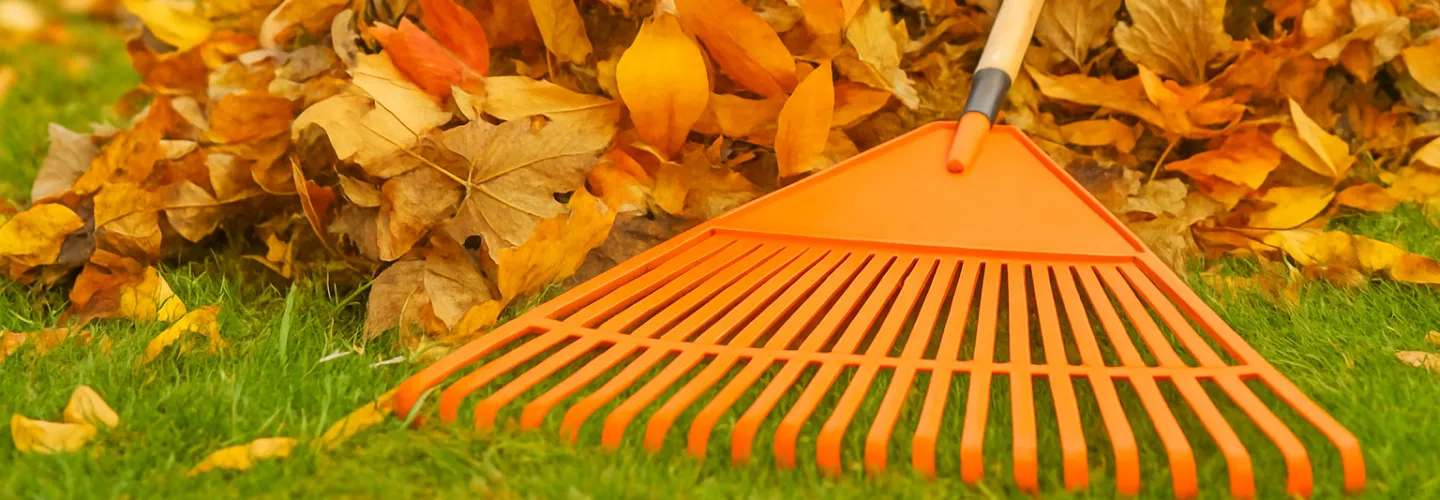
The Plantation Leaf Removal Services
Choose our expert leaf removal service for a hassle-free experience—enjoy a cleaner, healthier yard while saving time and effort, all backed by our commitment to quality and customer satisfaction.
Get a Free QuoteOur The Plantation Landscaping & Yard Care Services
When to Schedule Leaf Removal in The Plantation, Florida – Seasonal Guide
In The Plantation, Florida, the best times for leaf removal are typically late fall through early winter and again in early spring. Due to our subtropical climate, neighborhoods like Jacaranda Lakes and Plantation Acres experience prolonged leaf drop, especially from live oaks and other broadleaf evergreens. The region’s high humidity and frequent rainfall can accelerate leaf decomposition, but dense shade and clay-heavy soils in areas near Central Park can cause leaves to mat and create slippery, unhealthy turf if not removed promptly.
Local environmental factors such as the absence of hard frost, periodic drought risk, and the unique mix of native and ornamental trees mean that leaf removal schedules should be tailored to each property. For example, homes near the Plantation Preserve Golf Course may need more frequent service due to higher tree density and municipal guidelines. For more information on local regulations, visit the official city resource.
Local Factors to Consider for Leaf Removal in The Plantation
- Tree density and species (live oaks, palms, ornamentals)
- Proximity to water features or shaded areas
- Soil type (sandy vs. clay-heavy)
- Recent precipitation and humidity levels
- Neighborhood-specific municipal restrictions
- Terrain and accessibility of your property
Benefits of Leaf Removal in The Plantation

Enhanced Curb Appeal
Healthier Lawns and Gardens
Prevention of Pest Infestations
Improved Soil Aeration
Reduced Risk of Lawn Diseases
Professional and Reliable Service
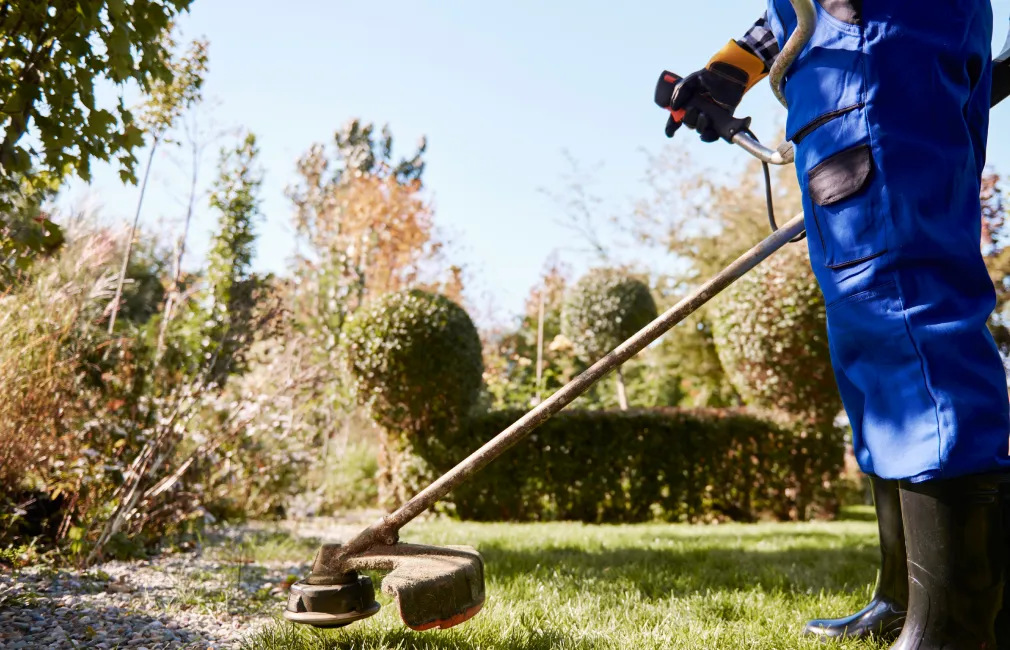
The Plantation Leaf Removal Types

Manual Leaf Raking
-
Leaf Blower Clearing
-
Mulching Leaf Removal
-
Vacuum Leaf Collection
-
Seasonal Cleanup Services
-
Composting Leaf Disposal
Our Leaf Removal Process
Site Evaluation
Leaf Gathering
Collection and Removal
Final Inspection
Why Choose The Plantation Landscape Services
-
The Plantation Homeowners Trust Us
-
Comprehensive Lawn Maintenance
-
Reliable Irrigation Solutions
-
Expert Tree and Shrub Care
-
Prompt and Dependable Service
-
Competitive Pricing
-
Personalized Service Plans
Coordinating Leaf Debris Disposal Through Plantation's Public Works Sanitation Program
Plantation residents must coordinate leaf removal activities with the city's municipal sanitation and yard waste collection services. The Public Works Department oversees curbside yard waste pickup, which includes fallen leaves, small branches under 4 feet in length, and other organic landscape debris. Residents should observe the following disposal guidelines:
- Accepted materials: Leaves, grass clippings, palm fronds, and brush under 4 feet long
- Container requirements: Place yard waste in biodegradable bags or reusable 32-gallon containers; plastic bags are prohibited
- Placement: Stage materials curbside by 6:00 AM on scheduled collection day
- Prohibited items: Branches exceeding 4 inches in diameter, construction debris, soil, or rocks
Leaf debris must never be swept or blown into storm drains, swales, or roadway gutters, as this violates the city's MS4 stormwater permit obligations under the Clean Water Act. Improper disposal can obstruct drainage infrastructure maintained by the Old Plantation Water Control District, increasing localized flood risk during South Florida's wet season.
City of Plantation Public Works Department
400 NW 73rd Terrace, Plantation, FL 33317
Phone: (954) 797-2200
Official Website: City of Plantation Public Works Department
How Plantation's Sandy Entisol Soils and Flat Topography Affect Leaf Accumulation
Plantation sits atop predominantly sandy Entisol and Spodosol soils characteristic of South Florida's Atlantic Coastal Lowlands. These soils feature rapid permeability, low organic matter content (typically below 2%), and a seasonally high water table that can rise to within 12–18 inches of the surface during the wet season from June through October. The flat topography—with elevations averaging only 9–12 feet above sea level—means leaf debris does not naturally migrate downslope and instead accumulates in place across turf and landscape beds.
Key soil and site considerations for leaf removal include:
- Soil pH: Typically 5.5–7.0, slightly acidic to neutral; decomposing leaf litter can further acidify sandy soils
- Drainage: Excessively drained surface layer over a poorly drained spodic horizon, causing ponding when leaf mats block infiltration
- Organic matter benefit: Composted leaves can improve sandy soil water retention when incorporated at 2–3 inches depth tilled to 6 inches
- Root zone sensitivity: Shallow-rooted St. Augustinegrass (Stenotaphrum secundatum) suffers smothering when leaf layers exceed 1 inch thickness
Property owners can verify site-specific soil series using the USDA Web Soil Survey and consult UF/IFAS Extension for soil testing services, typically $15–$25 per sample, to determine amendment needs after leaf removal.
Protecting Plantation's Canal Network and Wetland Buffers During Leaf Removal
Plantation's extensive canal system—including segments of the North New River Canal, the C-12 Canal, and numerous residential waterway corridors—requires strict environmental compliance during leaf removal operations. Under the Florida Environmental Protection Act and the city's MS4 stormwater permit administered by the Florida Department of Environmental Protection (FDEP), organic debris must not enter surface waters. Leaf material that reaches canals accelerates nutrient loading, depletes dissolved oxygen, and degrades water quality downstream through the Everglades watershed.
Environmental compliance measures include:
- Buffer zones: Maintain a minimum 25-foot no-disturbance zone from canal banks and wetland edges when using blowers or vacuums
- Blower direction: Always direct leaf blowers away from waterways, swales, and stormwater inlets
- Debris barriers: Use temporary silt fencing or debris netting when removing large volumes of leaves within 50 feet of water bodies
- Prohibited discharge: No leaf material, clippings, or organic waste may be deposited into storm drains, catch basins, or canal rights-of-way
The city's Environmental and Landscape Division enforces these standards and coordinates with the South Florida Water Management District on canal maintenance and buffer compliance. EPA Region 4 provides additional federal oversight for stormwater quality in the region.
City of Plantation Environmental and Landscape Division
400 NW 73rd Terrace, Plantation, FL 33317
Phone: (954) 797-2607
Official Website: City of Plantation Environmental and Landscape Division
Optimal Leaf Removal Timing for Plantation's Subtropical Climate and Hurricane Season
Plantation's USDA Hardiness Zone 10b climate, confirmed via the USDA Plant Hardiness Zone Map, produces a leaf-drop pattern distinct from temperate regions. Rather than a single autumn event, South Florida's broadleaf and tropical species shed leaves across multiple periods:
- Late winter to early spring (February–April): Peak leaf drop for live oaks (Quercus virginiana), mahogany (Swietenia mahagoni), and gumbo-limbo (Bursera simaruba) as new growth emerges
- Post-hurricane season (November–December): Significant debris accumulation from wind-damaged foliage, broken fronds, and storm-stripped canopy material
- Year-round maintenance: Royal palms (Roystonea regia), coconut palms (Cocos nucifera), and ficus species produce continuous frond and leaf litter
The National Weather Service Miami office issues tropical weather outlooks from June 1 through November 30 that directly affect leaf removal scheduling. Following tropical storms, property owners should prioritize clearing leaf and vegetative debris from drainage swales and inlet grates within 48–72 hours to prevent localized flooding. Equipment operation during leaf removal is typically permitted Monday through Saturday, 7:00 AM to 6:00 PM, with work prohibited on Sundays and city-observed holidays.
Navigating Plantation's Tree Preservation Ordinance When Removing Leaf-Producing Canopy
Property owners who consider removing or significantly pruning trees to reduce leaf accumulation must comply with Plantation's tree preservation regulations administered through the Environmental and Landscape Division. The city's landscape code protects specimen trees and regulates canopy removal on private property. Key requirements include:
- Protected species: Live oaks, mahogany, bald cypress, and other native canopy trees exceeding 6 inches DBH (diameter at breast height) typically require a permit before removal
- Permit application: Submit through the Planning, Zoning, and Economic Development Department; review period is generally 10–15 business days
- Replacement requirements: Removed canopy trees may require replacement plantings at a ratio determined by the reviewing authority, often 1:1 or greater based on caliper size
- Pruning standards: Crown reduction exceeding 25% of live canopy may trigger permit review; all pruning must follow ANSI A300 standards
Unauthorized tree removal can result in code enforcement action and fines. Rather than removing healthy canopy trees, property owners should implement regular leaf removal schedules to manage debris while preserving Plantation's urban tree canopy, which provides critical shade, stormwater interception, and habitat value.
City of Plantation Planning and Zoning
400 NW 73rd Terrace, Plantation, FL 33317
Phone: (954) 797-2623
Official Website: City of Plantation Planning and Zoning
What Neighborhoods Do We Serve Throughout Plantation, FL?
- Jacaranda: This established residential area features mature live oak and mahogany canopies that produce heavy leaf drop from February through April, requiring frequent removal cycles on the predominantly sandy, poorly drained lots adjacent to canal corridors.
- Plantation Acres: Large one-acre-plus equestrian-zoned properties with dense tropical landscaping and limited curb infrastructure create unique access and debris volume challenges, often necessitating on-site composting or trailer-based hauling rather than curbside collection.
- Plantation Isles: Waterfront homes along interconnected canal systems demand careful leaf management to prevent organic debris from entering waterways, with mandatory 25-foot buffer compliance near seawalled canal banks.
- Central Park: This planned community near Plantation Central Park features compact lot sizes with HOA-maintained common areas, where coordinated leaf removal schedules must align with association landscape maintenance standards and noise restrictions.
- Sunrise Lakes (within Plantation limits): Properties near the western boundary contain mature ficus hedges and royal palm allées that generate continuous frond and leaf litter year-round, compounded by poorly drained Spodosol soils that retain moisture beneath debris layers.
- Pine Island Ridge: Elevated ridge properties along Pine Island Road feature slightly better-drained sandy soils and mixed native-exotic canopy, with leaf accumulation concentrated along swale edges and requiring careful management near the adjacent natural areas and conservation zones.