
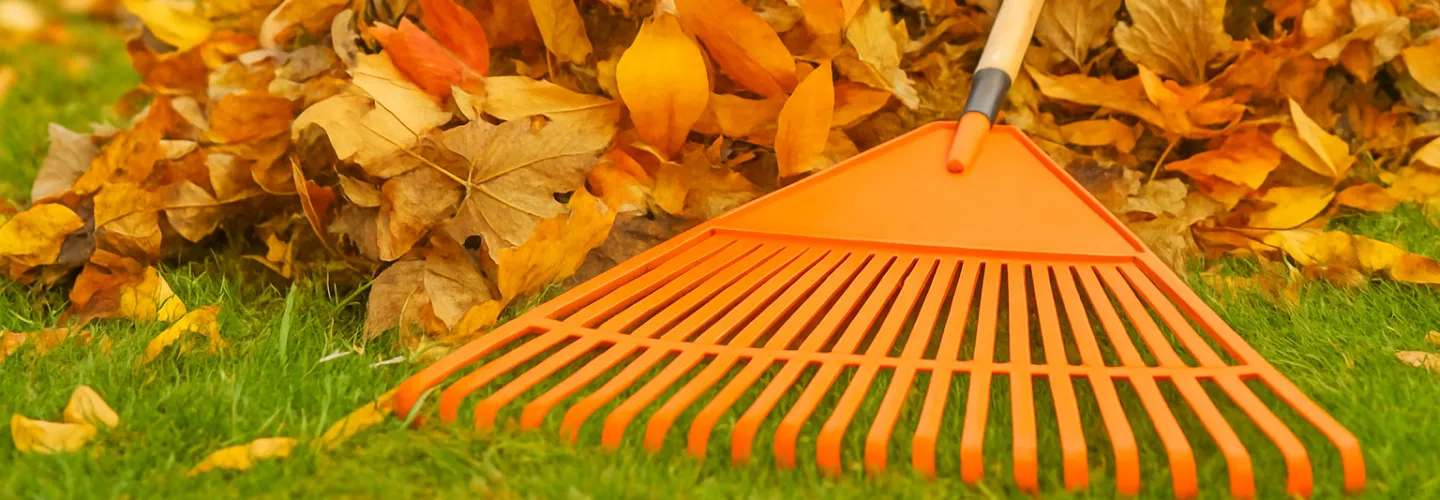
The Plantation Dethatching Lawn Services
Choose our dethatching lawn services for a healthier, greener yard—our experienced team removes built-up thatch to promote stronger roots, better water absorption, and a lush, vibrant lawn you’ll love.
Get a Free QuoteOur The Plantation Landscaping & Yard Care Services
When to Schedule Dethatching Lawn in The Plantation, Florida – Seasonal Guide
In The Plantation, Florida, timing your lawn dethatching is crucial for maintaining a healthy, vibrant yard. The region’s subtropical climate—with its warm, humid summers and mild winters—means that the best window for dethatching typically falls between late spring and early summer. This period allows your lawn to recover quickly, as grass is actively growing and can fill in any bare spots left after the process. Neighborhoods like Jacaranda Lakes and Plantation Acres often experience dense thatch buildup due to lush St. Augustine and Bermuda grasses, which thrive in our local conditions.
Local environmental factors play a significant role in determining the optimal dethatching schedule. For example, areas near Central Park or along the New River Canal may have higher humidity and shade coverage, which can increase thatch accumulation. It’s also important to consider the last frost date—usually in late January—and avoid dethatching during periods of drought or heavy rainfall. For more information on local climate patterns and municipal guidelines, visit the official city resource.
Local Factors to Consider for Dethatching Lawn in The Plantation
- Tree density and shade coverage, especially in neighborhoods like Plantation Gardens
- Soil type and drainage, which can vary between residential developments
- Seasonal precipitation and risk of drought
- Municipal restrictions or watering schedules
- Terrain and slope, affecting water runoff and thatch buildup
Benefits of Dethatching Lawn in The Plantation
Improved Lawn Health
Enhanced Grass Growth
Better Water Absorption
Increased Nutrient Uptake
Reduced Pest and Disease Risk
Boosted Curb Appeal
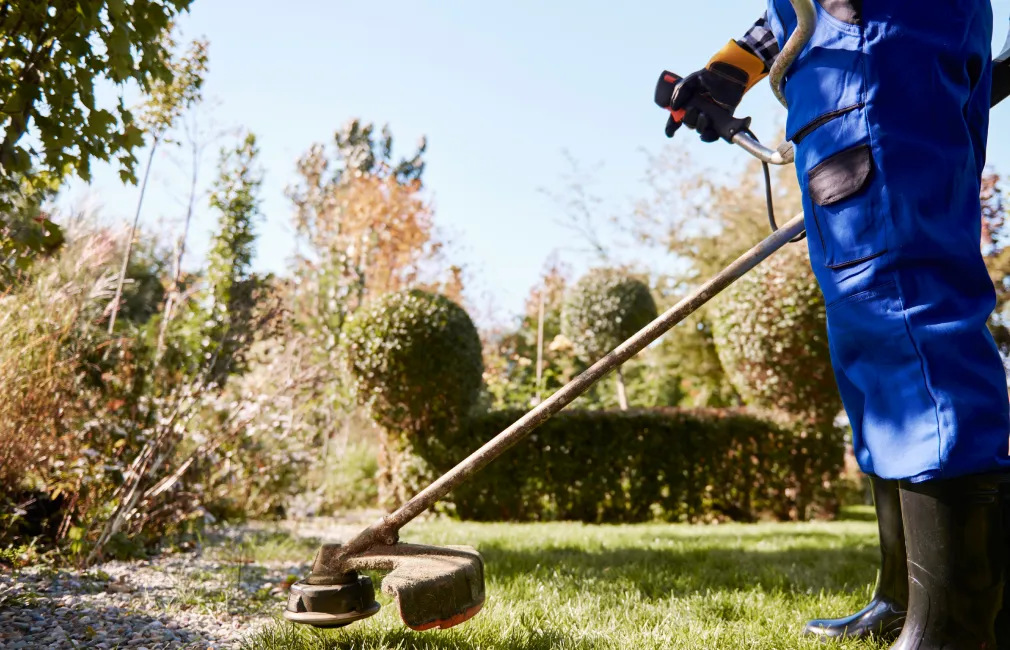
The Plantation Dethatching Lawn Types

Bermuda Grass Dethatching
-
St. Augustine Grass Dethatching
-
Zoysia Grass Dethatching
-
Centipede Grass Dethatching
-
Bahia Grass Dethatching
-
Fescue Grass Dethatching
-
Ryegrass Dethatching
Our Dethatching Lawn Process
Lawn Evaluation
Preparation and Marking
Dethatching Execution
Cleanup and Disposal
Post-Dethatching Inspection
Why Choose The Plantation Landscape Services
-
The Plantation Homeowners Trust Us
-
Comprehensive Lawn Maintenance
-
Reliable Irrigation Solutions
-
Expert Tree and Shrub Care
-
Prompt and Dependable Service
-
Competitive Pricing
-
Personalized Service Plans
Plantation's Sandy Entisol Soils and Their Impact on Thatch Accumulation
The City of Plantation sits within USDA Hardiness Zone 10a–10b, where predominantly sandy Entisol and Spodosol soils—characterized by rapid drainage, low organic matter content, and acidic pH ranging from 5.0 to 6.5—create specific conditions for thatch development in warm-season turfgrasses. St. Augustinegrass (Stenotaphrum secundatum), the dominant turf species across Plantation lawns, produces aggressive stoloniferous growth that generates thatch layers exceeding 0.75 inches within a single growing season. Unlike clay-based soils that retain moisture and support microbial decomposition, Plantation's sandy substrates lack the biological activity necessary to break down lignin-rich stolons efficiently. Property owners should verify their specific soil series through the USDA Web Soil Survey and target dethatching when the thatch layer measures between 0.5 and 1.0 inch in depth. Soil testing through UF/IFAS Extension at approximately $15–$25 per sample can confirm pH levels and organic matter percentages that influence decomposition rates and dethatching frequency.
Optimal Dethatching Windows for Plantation's Year-Round Growing Season
Plantation's subtropical climate, with average summer temperatures of 88–92°F and winter lows rarely dropping below 45°F, sustains active turfgrass growth from March through November. The optimal dethatching window for St. Augustinegrass and Zoysiagrass lawns falls between April 15 and June 30, when soil temperatures consistently exceed 70°F and turf is in peak vegetative growth capable of rapid recovery. Key timing considerations include:
- Spring window (April 15–June 15): Ideal primary dethatching period; soil temperatures 72–85°F promote vigorous regrowth within 14–21 days
- Early fall window (September 1–October 15): Secondary option before growth slows; avoid if tropical storm activity is forecast
- Avoid dethatching: December through February, when reduced root activity delays recovery by 30–45 days
- Avoid dethatching: During peak summer heat (July–August) when air temperatures exceed 95°F, increasing turf stress and disease susceptibility
The National Weather Service Miami office provides 7-day forecasts essential for scheduling dethatching around Plantation's frequent afternoon thunderstorms during the wet season (May–October), which can deposit 6–8 inches of rainfall monthly.
Protecting Plantation's Canal System and Stormwater Infrastructure During Dethatching
The City of Plantation's extensive canal network and stormwater drainage system require careful management of organic debris generated during dethatching operations. Under the city's MS4 (Municipal Separate Storm Sewer System) permit, administered in compliance with the Clean Water Act and the Florida Environmental Protection Act, thatch material must not enter storm drains, swales, or canal rights-of-way. The Old Plantation Water Control District oversees drainage infrastructure throughout much of the city, and property owners within its boundaries must maintain a minimum 25-foot no-disturbance buffer from canal banks during dethatching and debris collection. Specific compliance measures include:
- Collect all loosened thatch material immediately using bagging attachments or manual raking
- Install temporary silt barriers when dethatching within 50 feet of canal edges or retention ponds
- Never blow or discharge thatch debris into street gutters, swale drains, or stormwater inlets
- Dispose of collected thatch through the city's yard waste collection program or approved composting
The Environmental and Landscape Division enforces landscape maintenance standards that include proper debris management following dethatching work.
City of Plantation Environmental and Landscape Division
400 NW 73rd Terrace, Plantation, FL 33317
Phone: (954) 797-2200
Official Website: City of Plantation Environmental and Landscape Division
Old Plantation Water Control District
6189 SW 13th Street, Plantation, FL 33317
Phone: (954) 587-0400
Official Website: Old Plantation Water Control District
Coordinating Thatch Debris Disposal Through Plantation's Public Works Programs
Dethatching a typical Plantation residential lawn of 3,000–5,000 square feet generates approximately 5–15 cubic feet of organic debris that must be properly managed. The City of Plantation Public Works Department administers curbside yard waste collection services that accept thatch material under the following guidelines:
- Collection schedule: Yard waste is collected weekly on designated pickup days by neighborhood zone
- Accepted materials: Thatch, grass clippings, leaves, and small brush under 4 feet in length
- Container requirements: Place thatch in biodegradable bags or reusable containers not exceeding 50 pounds per unit; no plastic bags permitted
- Placement: Stage materials curbside by 6:00 AM on collection day; do not block sidewalks, swales, or fire hydrants
- Volume limits: Excessive quantities from large-scale dethatching projects may require scheduling a special bulk pickup
Property owners may also transport thatch debris to Broward County's designated solid waste facilities for composting. Thatch material composts effectively when mixed with green waste at a 3:1 carbon-to-nitrogen ratio, reaching temperatures of 130–150°F within 7–10 days in Plantation's warm climate.
City of Plantation Public Works Department
400 NW 73rd Terrace, Plantation, FL 33317
Phone: (954) 797-2200
Official Website: City of Plantation Public Works Department
How Plantation's Noise Regulations Affect Dethatching Equipment Operation
Power dethatching equipment—including vertical mowers, power rakes, and flail-type dethatchers—generates noise levels between 85 and 100 decibels at the operator position, placing these tools under the City of Plantation's noise control provisions. Commercial and residential lawn equipment operation in Plantation is subject to the following restrictions:
- Monday through Friday: 7:00 AM – 7:00 PM
- Saturday: 8:00 AM – 6:00 PM
- Sunday and holidays: Equipment operation is prohibited or restricted to later morning hours (verify current ordinance)
Operators of power dethatching equipment must maintain mufflers and exhaust systems in proper working condition. All personnel should wear ANSI Z87.1 rated safety glasses, hearing protection rated for 85+ dB exposure (earmuffs or fitted plugs), closed-toe footwear, and long pants to guard against debris ejection. When dethatching near roadways or public sidewalks, operators should position equipment to direct debris away from pedestrian and vehicle traffic. EPA Region 4 provides additional guidance on equipment emissions standards applicable to commercial lawn care operations in southeastern Florida.
What Neighborhoods Do We Serve Throughout Plantation, FL?
- Jacaranda: This established neighborhood features mature St. Augustinegrass lawns on sandy Entisol soils with moderate shade from dense tree canopy, requiring dethatching every 12–18 months due to reduced microbial decomposition beneath shaded turf areas.
- Plantation Acres: Large lot sizes of one acre or more with mixed turf and equestrian-use areas present unique dethatching challenges, including compacted sandy soils near paddock boundaries and heavier thatch accumulation in irrigated lawn sections adjacent to canal easements.
- Plantation Isles: Waterfront properties along the city's canal system require strict adherence to 25-foot buffer zones during dethatching operations, with particular attention to preventing organic debris from entering stormwater outfalls and retention areas.
- Central Park: Higher-density residential development with smaller lot sizes and HOA-maintained common areas often necessitates coordinated dethatching schedules to manage equipment noise and debris staging within shared community spaces.
- Sunrise Lakes (within Plantation limits): Properties in this area feature poorly drained flatwoods-type soils with seasonal high water tables at 12–24 inches, requiring dethatching to be timed during drier months (November–April) to avoid waterlogged turf damage.
- Heritage: Newer construction with recently established sod installations typically requires initial dethatching 18–24 months after installation, once stoloniferous growth has produced measurable thatch layers exceeding 0.5 inches.