
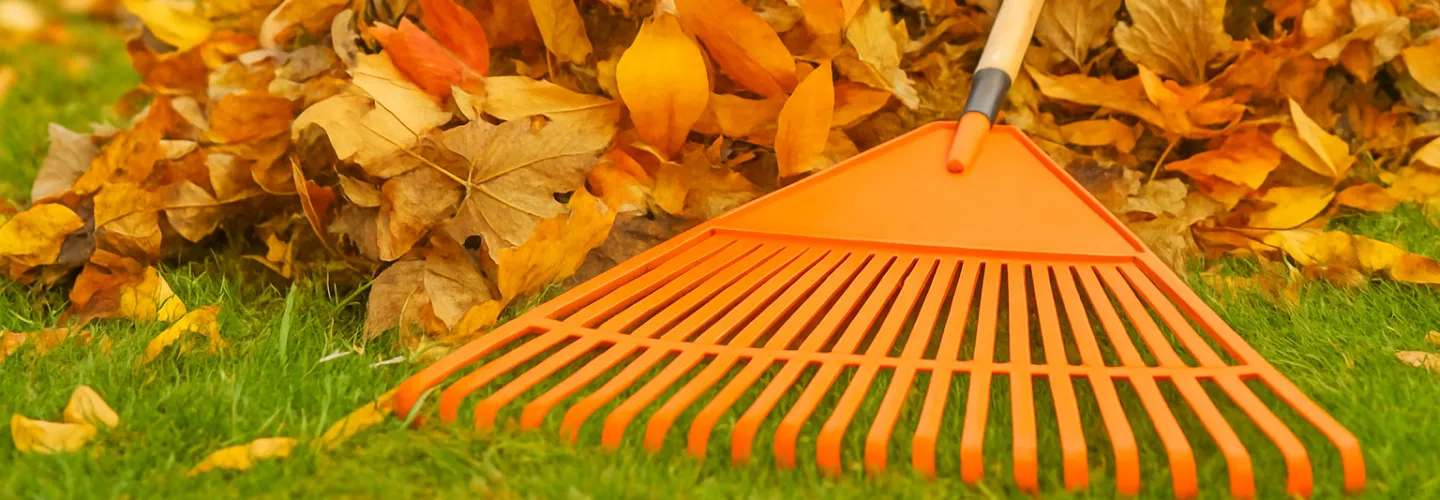
The Plantation Fertilizing Lawn Services
Choose our Fertilizing Lawn services for lush, healthy grass all season long—our expert team uses premium products and proven techniques to give your lawn the nutrients it needs to thrive, ensuring a greener, more vibrant yard you’ll love.
Get a Free QuoteOur The Plantation Landscaping & Yard Care Services
When to Schedule Fertilizing Lawn in The Plantation, Florida – Seasonal Guide
Fertilizing your lawn in The Plantation, Florida, requires careful timing to ensure lush, healthy grass throughout the year. The region’s subtropical climate, with its warm temperatures and distinct wet and dry seasons, means that the best times for fertilization are typically in early spring and late summer. These periods align with the active growth cycles of common turfgrasses found in neighborhoods like Jacaranda Lakes and Plantation Acres, allowing nutrients to be absorbed efficiently while minimizing runoff.
Local environmental factors play a significant role in determining the optimal fertilization schedule. For example, areas near Central Park or along the New River Canal may experience higher humidity and shade coverage, which can affect how quickly nutrients are utilized. Soil composition in The Plantation often ranges from sandy to loamy, impacting both water retention and nutrient availability. It’s also important to consider municipal guidelines and local resources, such as those provided by the Town of Sudbury, to stay informed about any seasonal restrictions or best practices.
Local Factors to Consider for Fertilizing Lawn in The Plantation
- Tree density and shade coverage, especially in established neighborhoods
- Soil type (sandy vs. loamy) and its effect on nutrient retention
- Seasonal precipitation patterns and drought risk
- Proximity to water features or canals, which may influence runoff
- Municipal restrictions or recommendations on fertilizer use
- Terrain variations, such as sloped yards or low-lying areas
Benefits of Fertilizing Lawn in The Plantation
Enhanced Lawn Health
Improved Grass Growth
Weed and Pest Resistance
Greener and Thicker Turf
Professional Lawn Care Expertise
Customized Fertilization Plans
The Plantation Fertilizing Lawn Types

Warm-Season Grass Fertilization
-
Cool-Season Grass Fertilization
-
Organic Lawn Fertilization
-
Synthetic Fertilizer Application
-
Slow-Release Fertilizer Programs
-
Weed and Feed Treatments
-
Seasonal Fertilization Schedules
Our Fertilizing Lawn Process
Soil Analysis
Fertilizer Selection
Application Scheduling
Even Distribution
Post-Application Inspection
Why Choose The Plantation Landscape Services
-
The Plantation Homeowners Trust Us
-
Comprehensive Lawn Maintenance
-
Reliable Irrigation Solutions
-
Expert Tree and Shrub Care
-
Prompt and Dependable Service
-
Competitive Pricing
-
Personalized Service Plans
Coordinating Fertilizer Application with The Plantation’s Stormwater and Public Works Programs
Fertilizing lawns in The Plantation, FL requires careful coordination with municipal operations to protect the city’s extensive canal and stormwater infrastructure. Residents and property managers must ensure that fertilizer granules, clippings, and sediment are kept out of swales, curb inlets, and canal edges to prevent nutrient runoff and water quality degradation. The City of Plantation Public Works Department provides guidance on proper yard waste handling and may offer seasonal collection programs for vegetative debris. Before applying fertilizer, it is advisable to sweep hard surfaces and avoid application immediately before forecasted rain to minimize runoff risk. For properties adjacent to canals or drainage features, additional caution is warranted to prevent direct discharge into waterways. Residents should review city-provided resources and coordinate with public works for any questions regarding debris management or stormwater-sensitive areas.
Municipal Contacts:
City of Plantation Public Works Department
400 NW 73rd Avenue, The Plantation, FL 33317
Phone: 954-452-2535
Official Website: City of Plantation Public Works Department
How The Plantation’s Urban Soils, Rainfall, and Canals Affect Lawn Fertilization
The Plantation is situated in South Florida’s tropical-subtropical urban coastal region, characterized by high humidity, intense summer rainfall, and a network of canals and swales. These conditions create several unique challenges for fertilizing lawns:
- Soils are typically sandy or fill-based, leading to rapid nutrient leaching and requiring careful timing of fertilizer applications.
- The wet season, generally from May through October, increases the risk of fertilizer runoff into storm drains, lakes, and canals, especially during heavy downpours.
- The high water table and proximity to drainage features mean that excess nutrients can quickly reach surface waters, impacting local water quality.
Turf species such as St. Augustinegrass and zoysiagrass are common, both of which have specific nutrient needs and respond differently to fertilizer under these environmental pressures. Irrigation is often necessary during the dry season, but overwatering can exacerbate leaching and runoff. Residents are encouraged to consult the USDA Web Soil Survey and UF/IFAS Gardening Solutions - Lawns for site-specific soil and turf guidance.
Understanding Fertilizer Ordinances and Environmental Compliance in The Plantation
Fertilizer use in The Plantation is governed by a combination of municipal standards and Florida state regulations. The Florida Statutes §403.9337 - Model Ordinance for Florida-Friendly Fertilizer Use on Urban Landscapes provides the framework for local ordinances, which may include blackout periods, application setbacks from water bodies, and requirements for slow-release nitrogen formulations. Applicators must avoid fertilizing within a specified distance of canals, lakes, or storm drains, and should verify any seasonal restrictions with the city’s Environmental and Landscape Division. Commercial applicators may also be subject to licensing requirements under FDACS - Pesticide Applicator Certification and Licensing. Residents should be aware that improper fertilizer use can result in code enforcement actions or environmental penalties.
Municipal Contacts:
City of Plantation Environmental and Landscape Division
400 NW 73rd Avenue, The Plantation, FL 33317
Phone: 954-797-2246
Official Website: City of Plantation Environmental and Landscape Division
Professional Standards and Timing for Fertilizing Lawns in The Plantation’s Climate
Effective fertilization in The Plantation requires attention to both timing and method, given the city’s climate and environmental sensitivities. Key professional standards include:
- Conducting a soil test before fertilization to determine nutrient needs and avoid over-application.
- Applying fertilizer during periods of active turf growth, typically in late spring and early fall, while avoiding the peak wet season to reduce runoff risk.
- Using slow-release nitrogen products and calibrating spreaders to prevent excess application.
- Coordinating irrigation to water in fertilizer lightly, but not to the point of runoff, and observing any local watering restrictions, which may be subject to Water Management District rules.
- Keeping fertilizer at least 10 feet from water bodies, swales, and storm drains, and sweeping any granules from hard surfaces back onto the lawn.
For additional technical guidance, refer to UF/IFAS Gardening Solutions - Lawn Maintenance and Care and the Florida-Friendly Fertilizer Ordinances App.
What Neighborhoods Do We Serve Throughout The Plantation, FL?
- Jacaranda This area features extensive canal frontage and mature landscaping, requiring careful fertilizer management to protect water quality.
- Plantation Acres Known for larger lots and equestrian properties, this neighborhood often has irrigation-intensive landscapes and variable soil fill.
- Central Plantation With older subdivisions and established shade trees, lawns here may face compaction and drainage challenges.
- Lago Mar Proximity to golf courses and lakes increases the importance of runoff prevention and precise fertilizer timing.
- Bridgewater Newer development patterns and engineered swales demand attention to fertilizer placement and stormwater flow.
- Saratoga at Plantation This HOA-managed community emphasizes uniform turf appearance and compliance with city and association standards.
- Canterbury Smaller lots and close proximity to storm drains require residents to be vigilant about fertilizer application and debris control.