
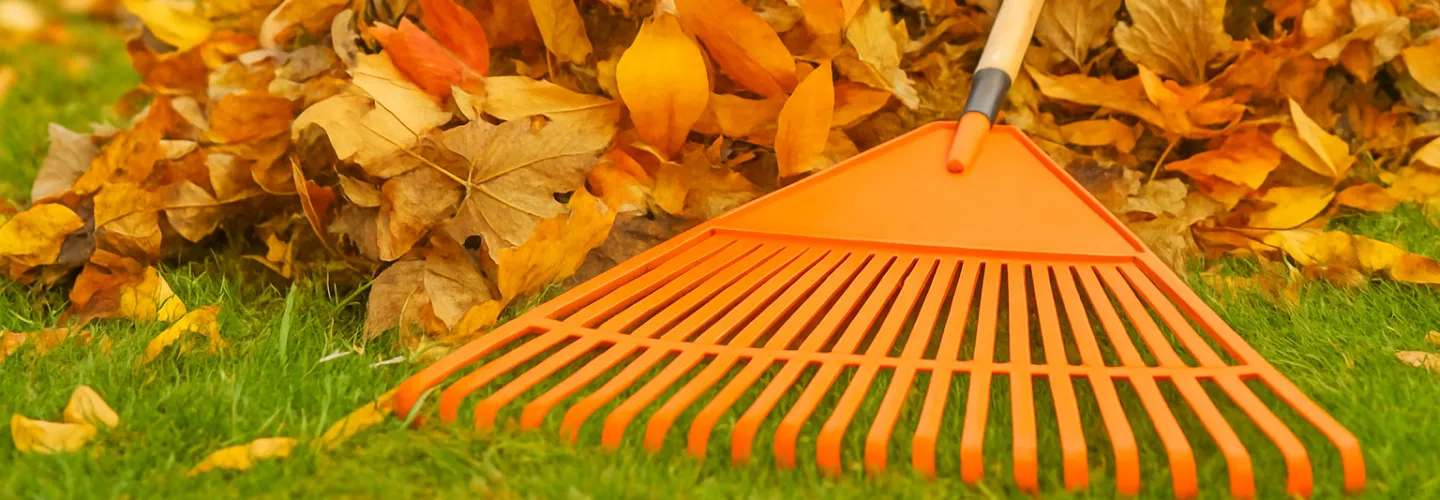
The Plantation Green Waste Disposal Services
Choose our Green Waste Disposal for reliable, environmentally responsible service that keeps your property clean while supporting a healthier planet. We make it easy to dispose of yard waste sustainably and efficiently.
Get a Free QuoteOur The Plantation Landscaping & Yard Care Services
When to Schedule Green Waste Disposal in The Plantation, Florida – Seasonal Guide
In The Plantation, Florida, timing your green waste disposal is crucial for maintaining a healthy and attractive landscape. The region’s subtropical climate means that plant growth is vigorous for much of the year, but optimal disposal periods often align with the end of the dry season in late spring and after the peak of hurricane season in early fall. These windows help homeowners in neighborhoods like Jacaranda Lakes and Plantation Acres manage yard debris efficiently, minimizing the risk of pest infestations and storm-related hazards.
Local environmental factors such as high humidity, sandy soils, and dense shade from mature oaks and palms influence when and how often green waste should be removed. For example, areas near Central Park or along Broward Boulevard may experience more rapid leaf drop and branch shedding after summer storms. It’s also important to consider municipal guidelines and seasonal restrictions, which can be found on the official city website, to ensure compliance and avoid fines.
Local Factors to Consider for Green Waste Disposal in The Plantation
- Tree density and species (e.g., live oaks, palms, and ficus)
- Soil type and drainage, especially in low-lying areas
- Seasonal precipitation and hurricane preparedness
- Municipal collection schedules and restrictions
- Proximity to shaded areas or water features
- Neighborhood-specific landscaping trends and HOA guidelines
Benefits of Green Waste Disposal in The Plantation
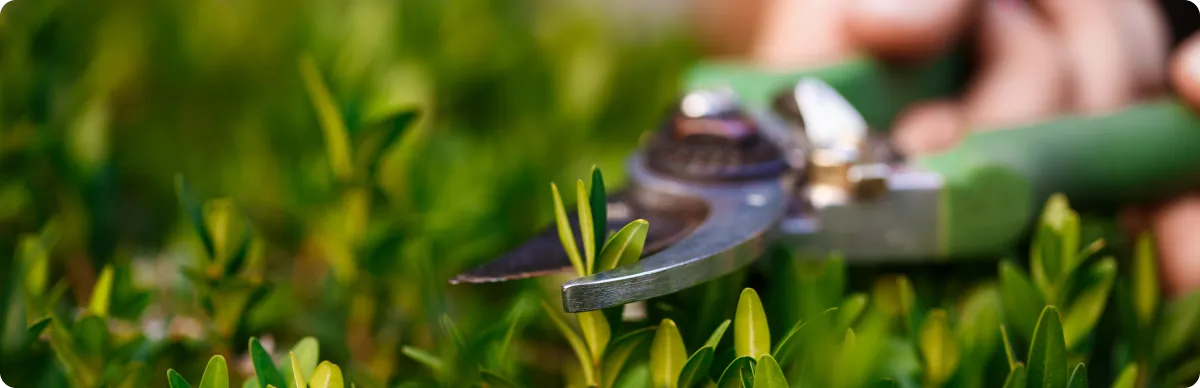
Eco-Friendly Landscaping Solutions
Efficient Green Waste Removal
Promotes Healthy Plant Growth
Reduces Landfill Waste
Enhances Curb Appeal
Supports Sustainable Practices
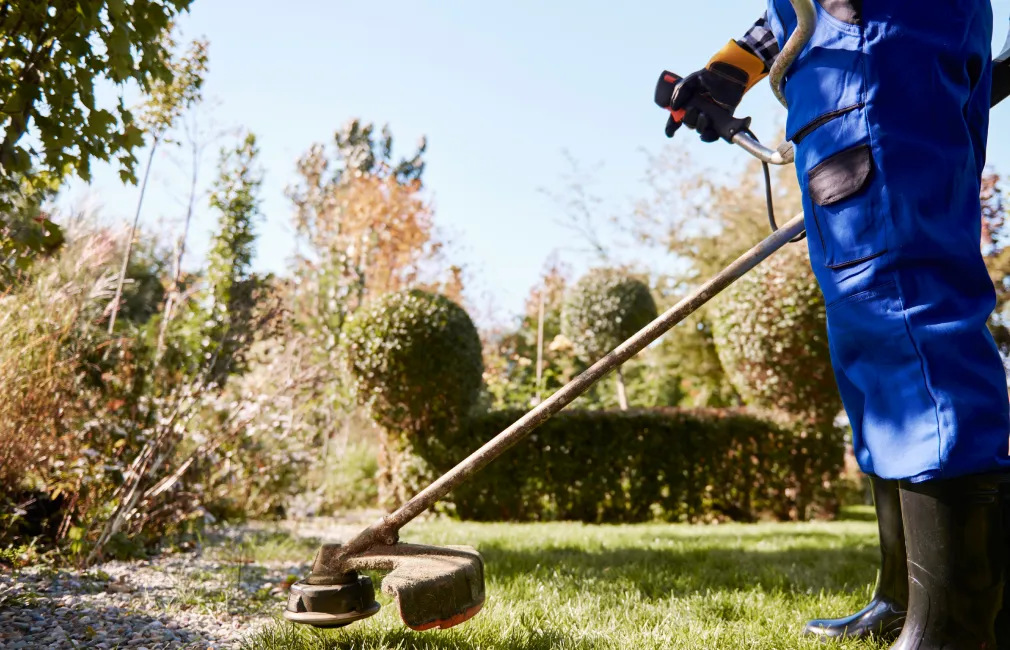
The Plantation Green Waste Disposal Types

Composting
-
Mulching
-
Curbside Collection
-
On-site Chipping
-
Drop-off at Recycling Centers
-
Incineration
-
Vermiculture
Our Green Waste Disposal Process
Collection of Green Waste
Sorting and Separation
Transport to Disposal Facility
Eco-Friendly Processing
Why Choose The Plantation Landscape Services
-
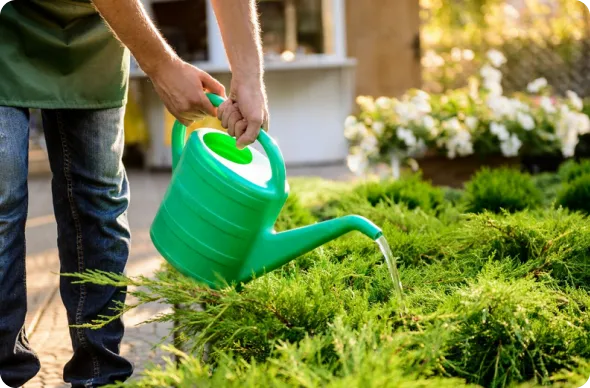
The Plantation Homeowners Trust Us
-
Comprehensive Lawn Maintenance
-
Reliable Irrigation Solutions
-
Expert Tree and Shrub Care
-
Prompt and Dependable Service
-
Competitive Pricing
-
Personalized Service Plans
Coordinating Green Waste Disposal Through Plantation's Public Works and Sanitation Programs
Plantation residents must follow specific municipal guidelines when disposing of yard debris, including grass clippings, leaves, palm fronds, and tree trimmings. The City of Plantation provides curbside green waste collection as part of its regular sanitation services. Acceptable materials include:
- Grass clippings and leaves placed in biodegradable bags or 32-gallon reusable containers
- Tree branches and palm fronds bundled no longer than 4 feet in length and no heavier than 50 pounds per bundle
- Hedge trimmings and shrub cuttings secured with biodegradable twine
- Prohibited items: plastic bags, treated lumber, soil, rocks, and branches exceeding 4 inches in diameter
Green waste must be placed curbside by 6:00 AM on scheduled collection days and should not obstruct sidewalks, swales, or storm drains. Bulk vegetation from large-scale clearing projects may require separate scheduling through the Public Works Department.
City of Plantation Public Works Department
400 NW 73rd Terrace, Plantation, FL 33317
Phone: (954) 797-2200
Official Website: City of Plantation Public Works Department
Plantation's Sandy Entisol Soils and Their Impact on Organic Waste Decomposition
Plantation sits within USDA Hardiness Zone 10b, where year-round warm temperatures and high humidity accelerate organic matter decomposition. The city's predominant soils are sandy Entisols and Spodosols characteristic of South Florida's coastal plain, with pH levels typically ranging from 5.5 to 7.0 and rapid drainage that limits natural nutrient retention. These conditions mean that improperly managed green waste—particularly grass clippings and leaf litter left in swales or drainage channels—decomposes quickly and can release excess nitrogen and phosphorus into stormwater runoff.
Residents conducting yard maintenance should consider the following soil-related factors:
- Sandy soils drain rapidly, causing decomposing organic material to leach nutrients into the shallow water table at 3–8 feet below grade
- Muck and organic soils found near canal edges in western Plantation require careful debris management to prevent waterway contamination
- Composting green waste on-site is viable year-round due to soil temperatures consistently above 65°F
Property owners can verify their specific soil series using the USDA Web Soil Survey and consult UF/IFAS Extension for composting guidance suited to South Florida conditions.
Protecting Plantation's Canal System and Everglades Buffer Zones During Debris Removal
Plantation's network of drainage canals—managed in part by the Old Plantation Water Control District and the South Florida Water Management District—connects directly to the broader Everglades watershed. Green waste that enters these waterways introduces nutrient loading that violates the Clean Water Act and the city's MS4 stormwater permit obligations under EPA Region 4 oversight. The Florida Environmental Protection Act further restricts discharge of organic pollutants into surface waters.
Key environmental compliance requirements include:
- Maintain a minimum 25-foot no-dumping buffer from all canal banks and retention pond edges
- Never blow or rake grass clippings, leaves, or palm debris into storm drains, swales, or canal rights-of-way
- Secure all green waste containers and bundles to prevent wind dispersal during afternoon thunderstorms (May through October)
- Report illegal dumping of yard waste near waterways to Code Enforcement
City of Plantation Environmental and Landscape Division
400 NW 73rd Terrace, Plantation, FL 33317
Phone: (954) 797-2607
Official Website: City of Plantation Environmental and Landscape Division
Old Plantation Water Control District
6601 W Sunrise Boulevard, Plantation, FL 33313
Phone: (954) 587-4540
Official Website: Old Plantation Water Control District
How Plantation's Hurricane Season Intensifies Green Waste Volume and Disposal Logistics
South Florida's Atlantic hurricane season—June 1 through November 30—generates substantial surges in green waste volume across Plantation. Tropical storms and hurricanes produce downed branches, uprooted trees, scattered palm fronds, and large quantities of leaf litter that overwhelm routine collection schedules. The National Weather Service Miami office issues tropical weather advisories that residents should monitor to prepare for post-storm debris management.
Post-storm green waste disposal protocols typically include:
- Separate vegetative storm debris from construction debris and household waste at the curb
- Cut downed limbs into sections no longer than 4 feet for standard collection; larger material may require special bulk pickup
- Do not place storm debris near fire hydrants, utility poles, or within 10 feet of mailboxes
- Expect extended collection timelines of 7–21 days following major storm events
- Trees with trunks exceeding 6 inches DBH (diameter at breast height) that require removal may need a permit through the Environmental and Landscape Division
Residents should avoid burning green waste, as open burning is prohibited within Plantation city limits under Broward County fire regulations. The Plantation Fire Department can provide guidance on fire safety compliance during storm recovery periods.
Plantation Fire Department
400 NW 73rd Terrace, Plantation, FL 33317
Phone: (954) 797-2150
Official Website: Plantation Fire Department
Navigating Plantation's Tree Preservation Ordinance When Generating Large-Scale Green Waste
The City of Plantation enforces a tree preservation ordinance that directly affects how residents and contractors handle green waste from tree trimming, pruning, and removal activities. Before generating significant volumes of woody debris, property owners must determine whether the work involves protected species or specimens exceeding regulated size thresholds. Key regulatory considerations include:
- Trees with a trunk diameter of 18 inches or greater at 4.5 feet above grade (DBH) are generally classified as specimen trees requiring review
- Protected native species—including live oak (Quercus virginiana), gumbo limbo (Bursera simaruba), and sabal palm (Sabal palmetto)—may require permits before pruning or removal
- Permit applications are reviewed by the Environmental and Landscape Division, with typical processing times of 10–15 business days
- Unauthorized removal of protected trees may result in fines and mandatory replacement plantings at a 2:1 ratio
All woody debris generated from permitted tree work must be disposed of in compliance with curbside collection standards or transported to a Broward County approved yard waste facility. The Planning and Zoning Department can clarify lot-specific restrictions that may apply in overlay districts or planned unit developments.
City of Plantation Planning and Zoning
400 NW 73rd Terrace, Plantation, FL 33317
Phone: (954) 797-2607
Official Website: City of Plantation Planning and Zoning
What Neighborhoods Do We Serve Throughout Plantation, FL?
- Jacaranda: This established neighborhood features mature tropical canopy trees including mahogany and royal poinciana, generating heavy seasonal leaf and seed pod debris. Properties along NW 80th Avenue near Jacaranda Golf Club often require frequent palm frond and branch disposal due to dense landscaping.
- Plantation Acres: Large one-acre-plus equestrian lots in this western community produce substantial green waste volumes from expansive turf areas and native vegetation buffers adjacent to canal systems managed by the Old Plantation Water Control District.
- Plantation Isles: Waterfront properties along canal-front lots require careful debris management to prevent organic material from entering drainage infrastructure. Sandy Spodosol soils and low-lying elevations create seasonal flooding concerns that complicate curbside waste placement.
- Central Park: This mid-density residential area near Plantation Central Park features moderate lot sizes with St. Augustinegrass lawns and ornamental hedges, producing consistent weekly volumes of grass clippings and hedge trimmings throughout the year.
- Sunrise Lakes (within Plantation limits): Townhome and condominium communities in this area often operate under HOA landscape maintenance contracts, requiring coordination between association management and city collection schedules for bulk green waste pickup.
- Plantation Gardens: Older single-family homes along Peters Road feature established oak and ficus canopies that generate significant leaf litter, particularly during the dry season from November through April, necessitating regular curbside collection compliance.