
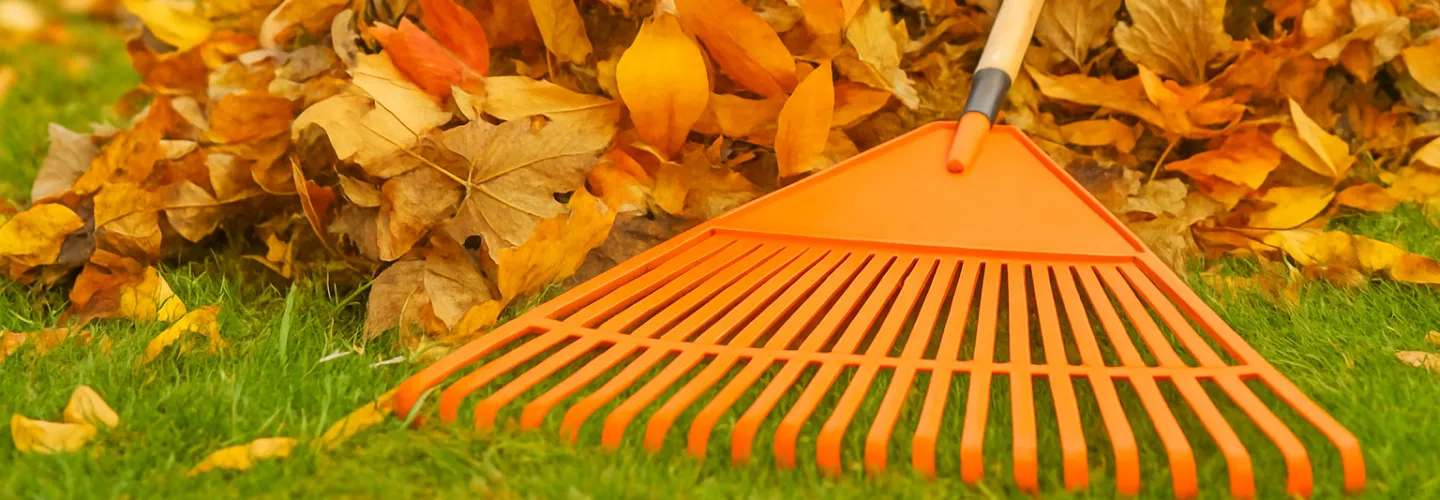
The Plantation Mulching Services
Choose our mulching services for expert care that enriches your soil, conserves moisture, and enhances curb appeal—ensuring your garden thrives year-round with minimal maintenance.
Get a Free QuoteOur The Plantation Landscaping & Yard Care Services
When to Schedule Mulching in The Plantation, Florida – Seasonal Guide
In The Plantation, Florida, timing your mulching service is crucial for maintaining healthy, vibrant landscapes year-round. The region’s subtropical climate—with its warm winters, humid summers, and distinct wet and dry seasons—means that the best periods for mulching are typically late winter through early spring, and again in early fall. These windows allow mulch to insulate roots before the summer heat or retain moisture ahead of the drier winter months. Neighborhoods like Jacaranda Lakes and around Central Park often experience microclimates due to varying shade coverage and proximity to water features, which can influence the ideal mulching schedule.
Local environmental factors such as the risk of late frosts (rare but possible in January), periods of drought, and the sandy, well-draining soils common in areas near Plantation Preserve Golf Course all play a role in determining when to mulch. Homeowners should also consider municipal guidelines and HOA restrictions, which may affect when and how mulching can be performed. For more information on local regulations, visit the official city resource.
Local Factors to Consider for Mulching in The Plantation
- Tree density and shade coverage in your yard
- Soil type (sandy vs. loamy) and drainage
- Seasonal precipitation patterns and drought risk
- Proximity to water features or flood-prone areas
- Municipal or HOA restrictions on landscaping activities
- Terrain slope and erosion risk
- Recent weather events (storms, heavy rainfall)
Benefits of Mulching in The Plantation
Enhanced Soil Moisture Retention
Weed Growth Suppression
Improved Soil Fertility
Temperature Regulation for Roots
Erosion Control
Boosted Curb Appeal
The Plantation Mulching Types

Organic Mulch
-
Inorganic Mulch
-
Bark Mulch
-
Compost Mulch
-
Straw Mulch
-
Rubber Mulch
-
Gravel Mulch
Our Mulching Process
Site Preparation
Weed Removal
Mulch Selection
Mulch Application
Final Inspection
Why Choose The Plantation Landscape Services
-
The Plantation Homeowners Trust Us
-
Comprehensive Lawn Maintenance
-
Reliable Irrigation Solutions
-
Expert Tree and Shrub Care
-
Prompt and Dependable Service
-
Competitive Pricing
-
Personalized Service Plans
Plantation's Sandy Entisol Soils and Proper Mulch Depth for Moisture Retention
Plantation sits within USDA Hardiness Zone 10a–10b, where predominantly sandy Entisol and Spodosol soils present distinct challenges for landscape moisture management. These soils, characterized by rapid drainage, low organic matter content, and acidic pH levels typically ranging from 5.0 to 6.5, lose moisture quickly under South Florida's intense sun. Proper mulching directly addresses these conditions. Recommended application guidelines include:
- Depth: Maintain 2–3 inches of mulch around shrubs and trees; avoid exceeding 3 inches to prevent root suffocation
- Clearance: Keep mulch 3–6 inches away from tree trunks and plant stems to prevent crown rot and fungal disease
- Material selection: Melaleuca mulch (produced from invasive species removal), pine bark nuggets, and eucalyptus mulch perform well in Plantation's subtropical climate
- Replenishment cycle: Reapply every 4–6 months due to accelerated decomposition in high heat and humidity (average summer temperatures 88–92°F)
Property owners can verify their specific soil series through the USDA Web Soil Survey and consult UF/IFAS Extension for mulch material recommendations suited to Broward County conditions.
Navigating Plantation's Environmental and Landscape Division Standards for Mulch Installation
The City of Plantation's Environmental and Landscape Division administers landscape standards that directly affect mulching practices on residential and commercial properties. Under the city's landscape code, property owners must maintain landscape beds in a manner consistent with approved site plans, which includes proper mulch coverage. Key regulatory considerations include:
- Tree preservation zones: Mulch must not be piled against protected tree trunks; "volcano mulching" (mounding mulch against the trunk) violates best management practices and can trigger code enforcement action
- Right-of-way landscaping: Mulch placed in city right-of-way areas must conform to approved materials and may not obstruct drainage swales or stormwater infrastructure
- Commercial properties: Landscape maintenance, including mulch replenishment, is subject to periodic code compliance inspections
Coordination with the Environmental and Landscape Division is essential before modifying landscape beds near protected trees or within designated buffer areas.
City of Plantation Environmental and Landscape Division
400 NW 73rd Terrace, Plantation, FL 33317
Phone: (954) 797-2200
Official Website: City of Plantation Environmental and Landscape Division
How Plantation's Canal System and Stormwater Infrastructure Affect Mulch Placement
Plantation's extensive canal network and flat topography—with elevations averaging only 9–12 feet above sea level—create specific stormwater management concerns that influence mulch installation practices. The city operates under a Municipal Separate Storm Sewer System (MS4) permit regulated by the Florida Department of Environmental Protection and subject to Clean Water Act provisions enforced through EPA Region 4. Mulching near waterways and drainage infrastructure requires adherence to the following:
- Canal setbacks: Maintain a minimum 25-foot buffer from canal banks; loose mulch materials must be stabilized to prevent migration into waterways during heavy rain events
- Swale protection: Do not place mulch within drainage swales or over stormwater inlet grates; blockage can cause localized flooding
- Material restrictions: Dyed mulch containing chemical colorants should be avoided within 50 feet of surface water to prevent contamination
- Storm preparation: Secure or remove loose mulch before tropical storm events (June 1–November 30 hurricane season) to prevent debris from clogging drainage systems
The Old Plantation Water Control District manages drainage infrastructure in portions of the city and can provide guidance on setback requirements near district-maintained canals.
Old Plantation Water Control District
Official Website: Old Plantation Water Control District
Optimal Mulching Timing for Plantation's Year-Round Growing Season
Unlike temperate climates with distinct dormancy periods, Plantation's subtropical environment supports year-round plant growth, which affects mulching schedules. The National Weather Service Miami office reports average annual rainfall of approximately 62 inches, with 70% falling during the wet season from May through October. Recommended mulching timing includes:
- Late February to early March: Primary application before the wet season begins; soil temperatures are typically 65–72°F, and reduced rainfall allows mulch to settle before heavy rains
- Late September to October: Secondary application to replenish material decomposed during the hot, humid summer months
- Post-hurricane season (December): Assess and replace mulch displaced or contaminated by storm debris
- Avoid: Applying fresh mulch immediately before forecast heavy rain events exceeding 2 inches, as loose material may wash into storm drains
Soil temperature monitoring is less critical in Plantation than in northern climates, but property owners should ensure mulch is applied when beds are free of standing water. UF/IFAS Extension publishes Broward County–specific landscape maintenance calendars that align mulching with fertilization blackout periods established under the Florida Environmental Protection Act.
Coordinating Mulch Delivery and Yard Waste Disposal Through Plantation Public Works
The City of Plantation Public Works Department oversees sanitation and yard waste collection services that directly relate to mulching operations. When replacing old mulch or conducting large-scale mulch installation, property owners must manage displaced material in accordance with city collection guidelines:
- Yard waste collection: Old mulch and landscape debris are collected curbside on regularly scheduled pickup days; materials must be placed in biodegradable bags or bundled containers not exceeding 40 pounds
- Bulk material: Large volumes of displaced mulch exceeding normal curbside limits may require scheduling a special pickup through Public Works
- Prohibited disposal: Mulch and landscape debris must not be deposited in storm drains, canals, or vacant lots
- Delivery coordination: Commercial mulch deliveries to residential properties should avoid blocking sidewalks, swales, or fire hydrant access; material staged on the right-of-way must be spread within 24–48 hours
City of Plantation Public Works Department
400 NW 73rd Terrace, Plantation, FL 33317
Phone: (954) 797-2200
Official Website: City of Plantation Public Works Department
For properties within the Community Redevelopment Agency district, additional landscape appearance standards may apply to mulch type and color consistency. The USDA Plant Hardiness Zone Map confirms Plantation's Zone 10a–10b classification, which supports the use of tropical-origin mulch materials that decompose at rates appropriate for the local climate.
What Neighborhoods Do We Serve Throughout Plantation, FL?
- Jacaranda: This established neighborhood features mature tree canopies of live oaks and royal palms that produce significant leaf litter, requiring frequent mulch replenishment in shaded beds where decomposition accelerates due to reduced sun exposure and higher moisture retention in sandy soils.
- Plantation Acres: Characterized by larger lot sizes of one acre or more with equestrian-zoned properties, mulching here often involves extensive landscape beds and pasture-adjacent areas where organic mulch selection must account for proximity to livestock and well water systems.
- Plantation Isles: Located along canal-front properties near the C-12 canal, mulch installation in this neighborhood requires careful attention to waterway setbacks and stormwater buffer compliance to prevent material migration during wet-season flooding events.
- Central Park: A newer planned development with HOA-regulated landscape standards that typically specify mulch color, type, and maintenance frequency, requiring coordination with community management before installation.
- Sunrise Lakes (within Plantation limits): Properties in this area feature compact lots with dense ornamental plantings where precise mulch depth control—maintaining 2–3 inches—is critical to avoid smothering shallow-rooted tropical species such as ixora and croton.
- Heritage: This western Plantation neighborhood borders the Everglades Wildlife Management Area, where environmental sensitivity requires the use of non-dyed, chemical-free mulch materials to protect adjacent wetland ecosystems and comply with Broward County environmental buffer regulations.