
The Plantation Pruning Services
Choose our expert pruning services to ensure your plants thrive with health, beauty, and longevity—our skilled team delivers precise care that transforms your landscape and protects your investment.
Get a Free QuoteOur The Plantation Landscaping & Yard Care Services
When to Schedule Pruning in The Plantation, Florida – Seasonal Guide
In The Plantation, Florida, timing your pruning services is crucial for maintaining healthy, vibrant landscapes. The region’s subtropical climate—with its warm, humid summers and mild, dry winters—means that most pruning is best scheduled during the late winter to early spring months, just before the growing season begins. This timing helps minimize plant stress and encourages robust new growth, especially for properties near Central Park or along Jacaranda Boulevard, where lush canopies and ornamental trees are common.
Local environmental factors play a significant role in determining the best pruning schedule. For example, the risk of late winter frost is minimal in The Plantation, but high humidity and summer rainfall can increase the risk of disease if pruning wounds are left exposed during the wet season. Soil types vary from sandy loam in the Plantation Acres area to denser soils near the Lago Mar Country Club, affecting root health and recovery rates. Additionally, municipal guidelines and HOA restrictions may influence when and how pruning can be performed. For more information on local regulations, visit the official city resource.
Local Factors to Consider for Pruning in The Plantation
- Tree and shrub density on your property
- Terrain and drainage patterns
- Seasonal precipitation and humidity levels
- Shade coverage from mature canopies
- Soil composition (sandy vs. clay-rich areas)
- Municipal or HOA pruning restrictions
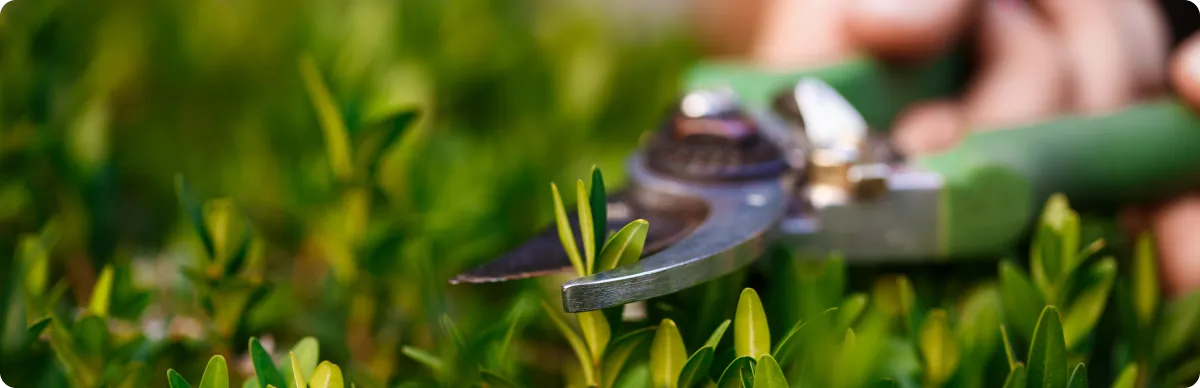
Benefits of Pruning in The Plantation
Enhanced Plant Health
Improved Landscape Appearance
Increased Sunlight Penetration
Pest and Disease Prevention
Boosted Flower and Fruit Production
Professional and Reliable Service
The Plantation Pruning Types

Crown Thinning
-
Crown Raising
-
Crown Reduction
-
Deadwooding
-
Formative Pruning
-
Pollarding
-
Topiary Pruning
Our Pruning Process
Site Evaluation
Plant Selection
Strategic Cutting
Debris Removal
Why Choose The Plantation Landscape Services
-
The Plantation Homeowners Trust Us
-
Comprehensive Lawn Maintenance
-
Reliable Irrigation Solutions
-
Expert Tree and Shrub Care
-
Prompt and Dependable Service
-
Competitive Pricing
-
Personalized Service Plans
Navigating Plantation's Environmental and Landscape Division Tree Pruning Regulations
Property owners in Plantation must coordinate pruning activities with the city's tree preservation ordinances administered through the Environmental and Landscape Division. Plantation's municipal code regulates the pruning and alteration of protected tree species, including live oaks (Quercus virginiana), mahogany (Swietenia mahagoni), and royal palms (Roystonea regia). Trees with a diameter at breast height (DBH) of 6 inches or greater typically require review before significant crown reduction or structural pruning exceeding 25 percent of the canopy. Key regulatory considerations include:
- Protected species: Live oak, gumbo limbo, bald cypress, and other native canopy trees
- Permit threshold: Trees 6 inches DBH or greater for major pruning work
- Prohibited practices: Topping, lion-tailing, and flush cuts that compromise structural integrity
- Right-of-way clearance: Maintain 8-foot vertical clearance over sidewalks and 14-foot clearance over roadways
- Review timeline: Typically 5–10 business days for landscape modification applications
Violations may result in fines and mandatory replacement plantings at a 2:1 ratio. The Florida Environmental Protection Act provides additional state-level protections for native vegetation in environmentally sensitive areas.
City of Plantation Environmental and Landscape Division
400 NW 73rd Terrace, Plantation, FL 33317
Phone: (954) 797-2200
Official Website: City of Plantation Environmental and Landscape Division
Optimal Pruning Windows for Plantation's USDA Zone 10a–10b Subtropical Climate
Plantation falls within USDA Hardiness Zones 10a–10b, where average minimum temperatures range from 30°F to 40°F. This subtropical climate supports year-round growth for many species, making pruning timing critical to plant health and storm preparedness. Recommended seasonal pruning schedules include:
- Late winter (January–February): Ideal for structural pruning of deciduous and semi-deciduous trees such as bald cypress and red maple before spring flush; soil temperatures remain above 60°F
- Post-flowering (March–April): Prune flowering species like royal poinciana (Delonix regia) and tabebuia (Handroanthus spp.) immediately after bloom to preserve next season's bud set
- Pre-hurricane season (April–May): Complete canopy thinning and deadwood removal before June 1 hurricane season onset; reduce sail effect by thinning 15–20 percent of interior crown density
- Avoid active growth flush (May–September): Minimize heavy pruning during peak growth and storm season to reduce stress and disease entry points
- Fall maintenance (October–November): Light corrective pruning and sucker removal after hurricane season concludes
The National Weather Service Miami office provides seasonal forecasts that help determine safe pruning windows around tropical weather events. UF/IFAS Extension publishes species-specific pruning calendars for South Florida landscapes.
How Plantation's Sandy Entisol Soils Affect Root Stability and Pruning Decisions
Plantation's predominant soils consist of Margate fine sand and Lauderhill muck series, characteristic of Broward County's low-lying coastal plain. These Entisol and Histosol soils present specific challenges that directly influence pruning strategies. Property owners can research their parcel's exact soil composition through the USDA Web Soil Survey. Key soil-related pruning considerations include:
- Shallow root zones: Sandy soils with seasonal water tables at 12–24 inches below grade force root systems laterally, making trees more susceptible to wind throw; avoid removing more than 25 percent of live canopy in a single season
- pH range 6.0–7.5: Alkaline tendencies from underlying limestone bedite affect nutrient uptake; pruning wounds on iron-deficient trees heal more slowly
- Poor anchorage in muck soils: Organic Histosol areas near canal corridors require conservative crown reduction to maintain center-of-gravity stability
- Drainage patterns: Poorly drained flatwoods soils retain moisture, increasing risk of fungal infection at pruning cuts; apply pruning during dry periods (November–April) when possible
The Old Plantation Water Control District manages drainage infrastructure that directly affects soil saturation levels across the city, which in turn impacts root health and pruning recovery.
Old Plantation Water Control District
6189 SW 13th Street, Plantation, FL 33317
Phone: (954) 587-4780
Official Website: Old Plantation Water Control District
Stormwater Compliance and Debris Management for Pruning Operations in Plantation
Pruning operations in Plantation must comply with the city's Municipal Separate Storm Sewer System (MS4) permit requirements under the Clean Water Act and Florida Department of Environmental Protection stormwater regulations. Preventing pruning debris from entering the city's canal system and storm drains is a regulatory obligation. Compliance measures include:
- Debris containment: All pruning debris must be collected on-site; no branches, leaves, or wood chips may enter storm drains, swales, or canal rights-of-way
- Yard waste collection: Plantation provides curbside bulk vegetation pickup; branches must be cut to lengths under 4 feet and bundled or placed in containers not exceeding 50 pounds
- Canal buffer zones: Maintain a 25-foot no-disturbance zone from canal banks when pruning adjacent trees; coordinate with the city Engineering Department for work within canal easements
- Chipper discharge: Direct wood chipper output away from impervious surfaces and drainage structures; contain mulch on pervious areas
EPA Region 4 oversees federal stormwater compliance for Southeast states including Florida. The city's Public Works Department coordinates bulk vegetation collection schedules and can advise on proper curbside placement requirements.
City of Plantation Public Works Department
400 NW 73rd Terrace, Plantation, FL 33317
Phone: (954) 797-2200
Official Website: City of Plantation Public Works Department
Safety Standards and Equipment Protocols for Pruning Near Plantation's Overhead Utilities
Pruning near overhead power lines and utility infrastructure in Plantation requires strict adherence to safety standards established by OSHA and Florida Power & Light (FPL) right-of-way clearance requirements. Only qualified line-clearance arborists may work within 10 feet of energized conductors. Essential safety protocols include:
- Minimum approach distance: Maintain 10-foot clearance from power lines for unqualified workers; qualified line-clearance arborists may work closer per ANSI Z133.1 standards
- Personal protective equipment: ANSI Z87.1 rated safety glasses, hearing protection for equipment exceeding 85 dB, chainsaw chaps meeting ASTM F1897, hard hats with face shields for overhead work
- Equipment standards: Chainsaws must have functioning chain brakes and anti-vibration systems; pole pruners limited to non-conductive fiberglass shafts within 50 feet of power lines
- Noise compliance: Commercial pruning equipment operation is typically permitted Monday–Saturday 7:00 AM–6:00 PM; verify current hours with the city
- Traffic control: When pruning requires work within public rights-of-way, advance warning signs must be placed 200 feet from the work zone with safety cones delineating equipment staging areas
The Plantation Fire Department should be notified when large-scale pruning operations involve aerial lift equipment near structures or utility corridors.
Plantation Fire Department
400 NW 73rd Terrace, Plantation, FL 33317
Phone: (954) 797-2160
Official Website: Plantation Fire Department
What Neighborhoods Do We Serve Throughout Plantation, FL?
- Plantation Acres: Large estate-style lots with mature live oaks, mahogany, and ficus trees requiring regular structural pruning; sandy Margate soils with shallow water tables demand conservative canopy reduction to maintain root-to-crown balance.
- Jacaranda: Established residential community with dense subtropical landscaping including royal palms and black olive trees (Bucida buceras); proximity to canal corridors requires compliance with 25-foot buffer zone regulations during pruning operations.
- Plantation Isles: Waterfront properties along canal systems feature wind-exposed trees requiring pre-hurricane season thinning; poorly drained muck soils near water edges increase fungal risk at pruning wound sites.
- Central Park: Mid-density residential area with mixed-age tree canopy; HOA landscape standards often specify crown-raising heights of 8–10 feet for aesthetic uniformity and pedestrian clearance along community walkways.
- Plantation Gardens: Older development with mature shade trees including live oaks exceeding 24-inch DBH; root conflicts with sidewalks and driveways may necessitate coordinated root pruning with the city Engineering Department.
- Sunrise Lakes (within Plantation limits): Properties near the western boundary feature flatwoods vegetation transitioning to developed landscapes; overhead FPL utility lines require qualified line-clearance pruning for canopy trees exceeding 25 feet in height.